
Sarah Frank | Owner & Registered Nurse Injector
Sarah, a Registered Nurse Injector, brings a decade of intensive care experience in Cardiovascular units to her passion for medical aesthetics. In 2017, Sarah made the transition to medical aesthetics, discovering her true passion and calling in the field. Dedicated to continuous learning, Sarah remains at the forefront of innovative techniques, ensuring her clients receive natural and rejuvenating results. Sarah is committed to achieving beauty that speaks softly and naturally. She specializes in creating results that are subtle, harmonious, and uniquely you. With over 6 years of experience in the art of cosmetic injections, Sarah understands the importance of balance and nuance in every treatment. Beyond her professional endeavors, she's a devoted mother and fitness enthusiast, with a keen interest in skincare and health. Sarah believes that true confidence comes from feeling like the best version of yourself, and her approach reflects this philosophy. Book your appointment now for a personalized and tailored experience just for you.
Natalie Huffman | Owner & Registered Nurse Injector
A dedicated Registered Nurse Injector with a background in Emergency and Critical Care nursing. With a "less is more" approach to injectables, Natalie enhances her clients' natural beauty through balance and symmetry. Her dedication to ongoing education has taken her to Paris, Toronto, and Las Vegas for advanced training, ensuring the highest quality service. As a devoted mother of two, Natalie leads with self-love and kindness, providing honest advice to achieve the best results for her clients. Book now for a transformative experience with a caring professional who values your unique beauty.
Book with NatalieDr. Ryan Frank | Plastic Surgeon & Medical Director
A caring Plastic Surgeon and Medical Director with a mission to build confidence and transform lives through plastic surgery and injectables. Inspired by his father, he pursued his dream of making a difference in patients' lives. With extensive training and an MBA, he combines expertise with a fresh perspective on healthcare. Beyond his work, Ryan is an avid sports enthusiast and a dedicated participant in International Medical Missions, delivering surgical care to underserved communities. Choose Dr. Ryan Frank for a compassionate and skilled surgeon dedicated to empowering you on your journey to self-confidence and fulfillment.


Under-Eye Rejuvenation: Understanding Your Options for the Delicate Eye Area
November 4, 2026
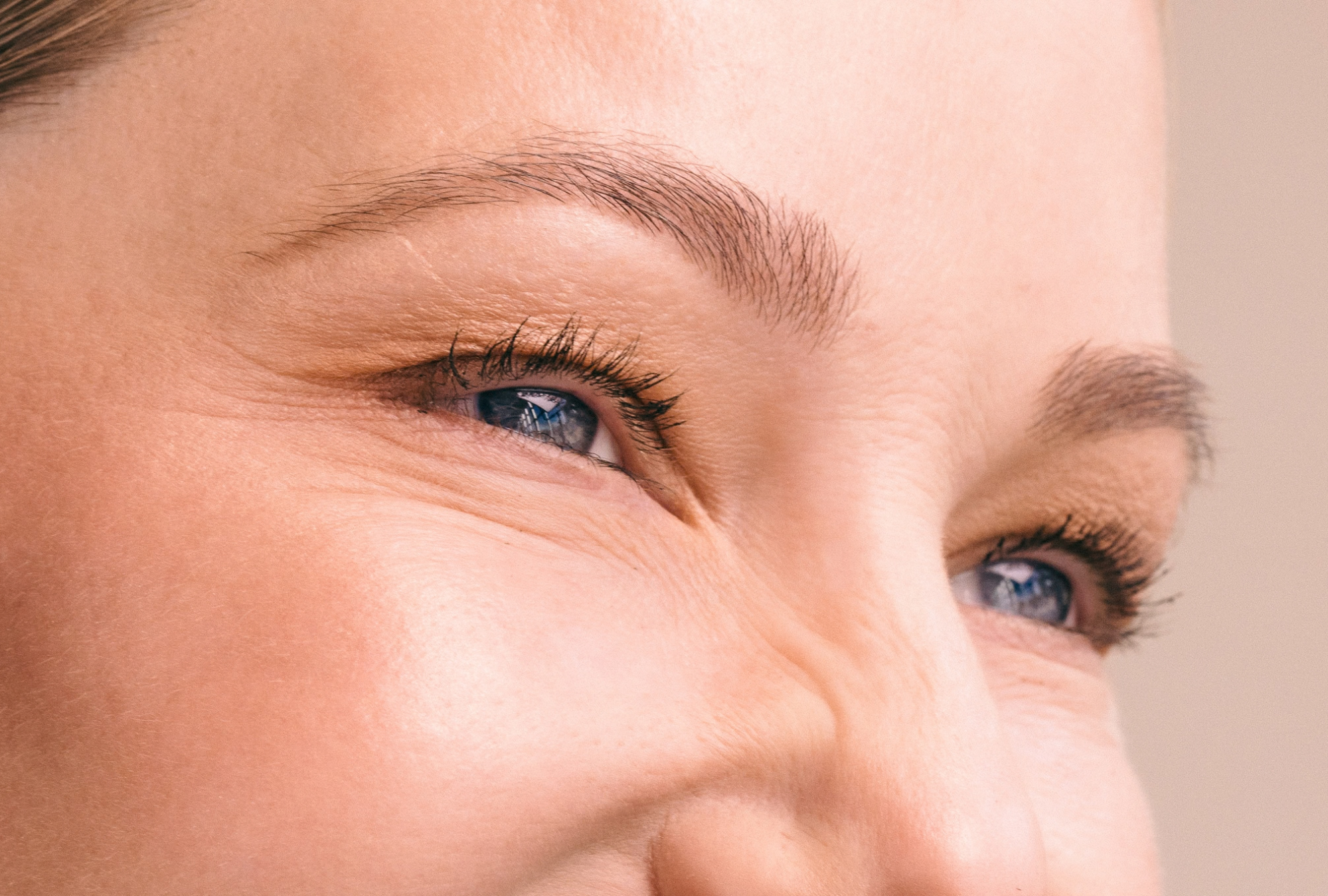
The under-eye area has a way of attracting our attention.
You may notice fine lines that weren’t there before, skin that seems thinner or less smooth, shadows that make you look tired even when you’re well rested, or a hollow beneath the lower eyelid that has become more noticeable with time.
And because the eyes are such a focal point of the face, relatively small changes can feel surprisingly significant.
If you start researching under-eye treatments, however, things quickly become complicated. You’ll find skincare, PRP, microneedling, collagen-stimulating treatments and dermal filler, often presented as solutions for the same concern.
In reality, the right approach depends heavily on what is creating the appearance you want to address.
At JECT Medical Aesthetics in Calgary, we start by looking at the under-eye area itself, the surrounding facial anatomy and what you’re actually noticing. From there, we can determine which options may be worth considering and which ones may not be appropriate for you.
Why Does the Under-Eye Area Change?
The skin around our eyes is naturally thin and delicate, which means changes can become visible there relatively early.
Collagen production changes with age. Skin quality and elasticity can change. The relationship between the lower eyelid and cheek can also evolve over time. Genetics play a considerable role in what the under-eye area looks like throughout our lives.
The challenge is that several different concerns can create a similar “tired” appearance.
An under-eye hollow describes a visible indentation beneath the lower eyelid, often around the transition between the under-eye area and cheek. Depending on your anatomy, that hollow can create a shadow that makes the area appear darker, even when pigmentation isn’t the primary concern.
Under-eye concerns can have several different causes. Darkness may be related to pigmentation, shadowing, or visible blood vessels beneath thin skin, while puffiness can be related to fluid retention or prominent fat pads. Fine lines and crepey texture, on the other hand, are more closely related to changes in skin quality.
Sometimes several of these concerns are present at once.
Understanding what you’re actually seeing is an important first step because a treatment intended to improve skin quality won’t necessarily address a structural hollow, and a treatment intended to address volume won’t necessarily improve pigmentation.
Why the Under-Eye Area Calls for Extra Care
The under-eye may be a relatively small area, but it’s anatomy is complex.
The skin is thin, important structures sit within a compact space, and changes in volume, fluid and surrounding tissues can all influence what you see at the surface.
A shadow may look like pigmentation when facial anatomy is contributing to it. A hollow may exist alongside puffiness. Fine lines may be primarily related to skin quality, while another concern may involve the transition between the lower eyelid and cheek.
Trying to match one visible concern to one treatment without understanding the anatomy can oversimplify what is happening.
At JECT, careful assessment is particularly important when working around the eyes. That includes determining whether you’re an appropriate candidate, discussing realistic expectations and recommending against a treatment when it isn’t a good fit.
Start With What You Do Every Day: Skincare
When people begin researching medical-aesthetic treatments for the under-eye area, skincare can seem almost too simple to mention.
But a thoughtful skincare routine can play an important role in supporting the delicate skin around the eyes over time.
Depending on your skin and concerns, a routine may focus on maintaining hydration, supporting smoother-looking skin and protecting against environmental factors that contribute to visible aging.
Sun protection is particularly important. UV exposure contributes to visible skin aging, and Calgary’s sunny climate makes daily protection worthwhile throughout the year, rather than only during the summer months.
Medical-grade skincare may also incorporate active ingredients selected for your skin, your goals and what the eye area can comfortably tolerate.
Consistency is where skincare really earns its place. A well-chosen routine can support healthier, smoother-looking skin and complement the results of in-clinic treatments you may choose to have.
Of course, skincare can’t address every under-eye concern. A cream won’t change facial anatomy or correct every cause of hollowness, puffiness or darkness. Its value is in supporting the quality and health of the skin consistently over the long term.
Why Collagen Is Part of the Conversation
Collagen contributes to the strength and support of our skin. As collagen production changes with age, the skin can gradually become thinner and less resilient, making fine lines and textural changes more noticeable.
When skin quality is part of the concern, treatments that support collagen production may be worth discussing.
These approaches tend to work gradually, which is an important distinction in a world of immediate before-and-after photos. Collagen takes time to develop, so improvements in skin quality and texture are generally progressive rather than immediate.
There are several ways collagen stimulation may fit into an under-eye treatment plan, depending on your skin, anatomy and individual concerns.
Where PRP or PRF May Fit
Platelet-rich plasma (PRP) or Platelet-rich fibrin (PRF) uses a concentrated portion of the client’s own blood containing platelets and growth factors.
In aesthetic medicine, PRP or PRF may be incorporated into treatment plans focused on skin quality and regenerative processes.
For an appropriate candidate, PRP or PRF may be considered for the under-eye area when the treatment goal involves skin quality and collagen support. This may be a more suitable treatment for someone looking for a more natural treatment option that uses components derived from their own blood without added filler.
Whether it makes sense depends on what you’re seeing, your health history, your expectations and what we find during your assessment. This is especially important around the eyes, where several different concerns can contribute to an appearance someone might simply describe as “tired.”
What About Microneedling?
Microneedling is another treatment used to support collagen production and skin quality.
The treatment creates controlled micro-injuries in the skin, prompting a natural healing response. When appropriate, this process can support gradual improvements in skin texture and overall quality.
Candidacy is particularly important around the eyes. The under-eye region isn’t simply an extension of the cheek. The skin is delicate and the anatomy needs to be respected when considering any treatment in or around this area.
During a consultation, we can determine whether microneedling, PRP or another approach makes sense based on what you’re hoping to improve.
What About Under-Eye Filler?
Under-eye filler is probably one of the better-known treatments associated with hollowness, but it’s also an area where careful assessment is especially important.
Seeing a depression or shadow beneath the eye doesn’t automatically mean filler is the appropriate solution.
Under-eye anatomy varies significantly from person to person. What appears to be a straightforward hollow may exist alongside puffiness, differences in skin quality or other anatomical features that influence how the area looks.
At JECT, we assess the under-eye area along with the surrounding face before determining whether filler has an appropriate role. For some clients, it may be an option. For others, a different approach may make more sense.
This is also where safety and aesthetic judgment are closely connected. The goal is to understand why the area looks the way it does and whether filler can appropriately address that concern.
More Treatment Doesn’t Mean Better Treatment
It can be tempting to think of under-eye options as a ladder.
You start with skincare. If that isn’t enough, you move to microneedling, then PRP, then filler.
Individualized treatment doesn’t really work that way.
A consistent medical-grade skincare routine can remain valuable regardless of whether an in-clinic treatment is appropriate. Collagen-focused options may enter the conversation when skin quality is part of the concern. Filler is considered separately and selectively when the anatomy and treatment goals support its use.
Sometimes a plan may involve more than one approach over time. Other times, a relatively simple plan is exactly what makes sense.
The value of a treatment comes from whether it appropriately addresses the concern in front of you, rather than how complex or involved the treatment happens to be.
The Under-Eye Area Rewards Patience
There’s something appealing about treatments that promise an immediate fix, particularly when you’re tired of looking tired.
But many of the changes we’re addressing around the eyes happen gradually, and improving them can take time as well.
Skin quality changes progressively. Collagen stimulation takes time to develop. Consistent skincare builds its benefits over months and years. Even when a treatment capable of creating a more immediate change is appropriate, the result still needs to work naturally with the surrounding face.
At JECT, we consider the quality of the skin, the relationship between the lower eyelid and cheek, the presence of hollowness or puffiness and the broader facial anatomy before recommending a treatment.
In some cases, that assessment may also mean explaining that a treatment you’ve researched isn’t the right option for what you’re seeing. That kind of guidance is an important part of responsible treatment planning, particularly in an area as delicate as the under-eye.
Start With the Concern
If you’re researching under-eye rejuvenation in Calgary, you don’t need to arrive at JECT knowing whether you need PRP, microneedling, filler or something else.
You don’t even need to know the correct name for what you’re seeing.
You can simply tell us, “I always look tired,” “the skin here has changed,” or “I’ve started noticing this hollow.”
From there, we can look at what may be contributing to the concern and explain which options, if any, make sense for you. Your treatment plan may focus on consistent medical-grade skincare, incorporate collagen-focused treatments or take a different approach entirely.
With an area as delicate and complex as the under-eye, a careful assessment is the best place to begin.
Book a consultation with JECT Medical Aesthetics in Calgary to discuss your under-eye concerns and learn which treatment options may be appropriate for you.


Ready to get started?
At JECT, we are dedicated to helping you achieve your aesthetic goals while ensuring your safety, satisfaction, and confidence throughout your journey with us. Experience the difference in our care, expertise, and commitment to your well-being as we guide you towards a more radiant and self-assured you.
book now
